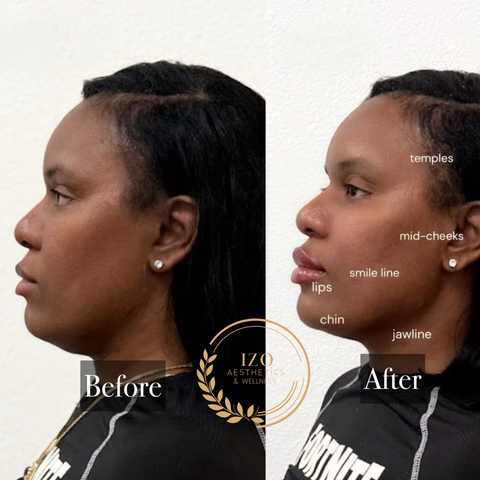

How facial balancing works
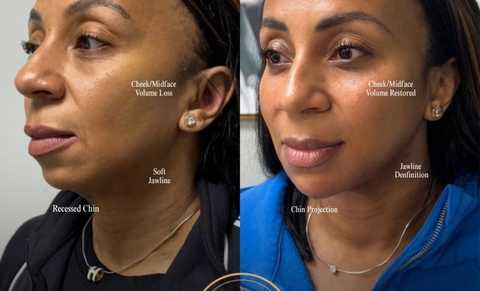
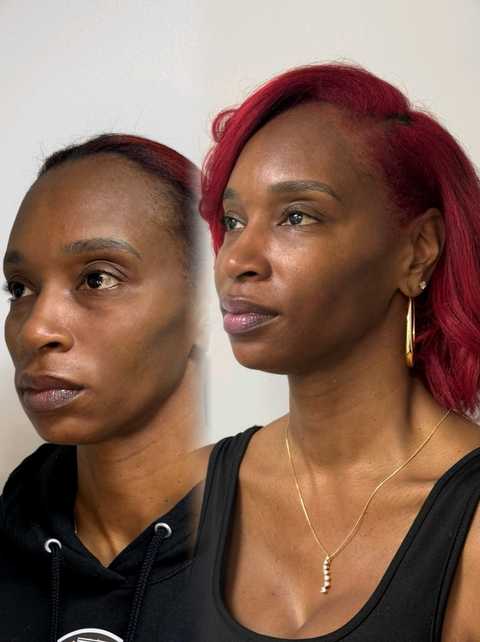
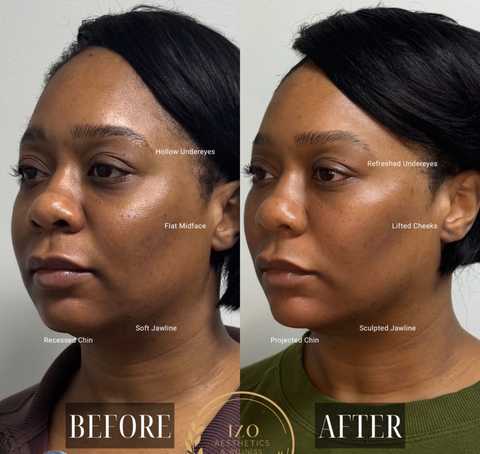
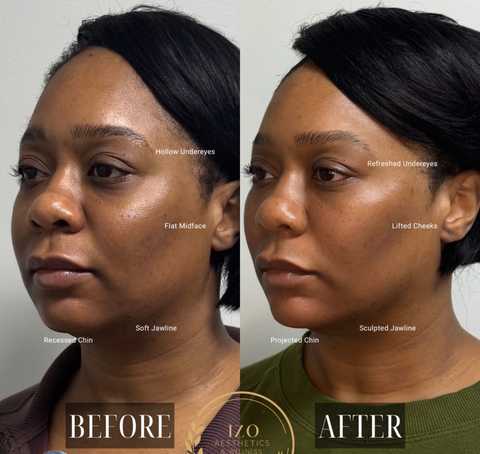
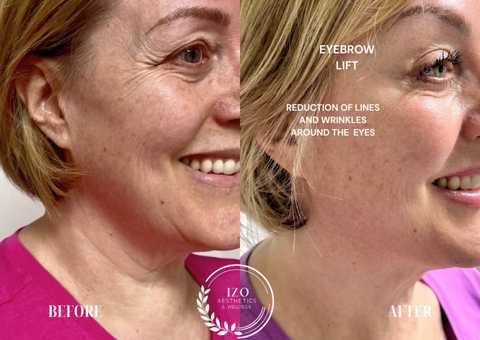
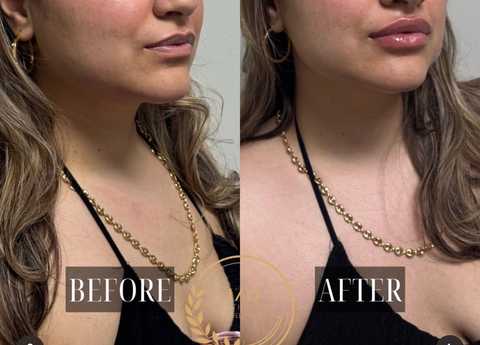
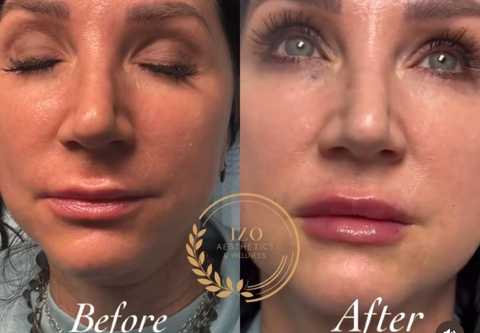
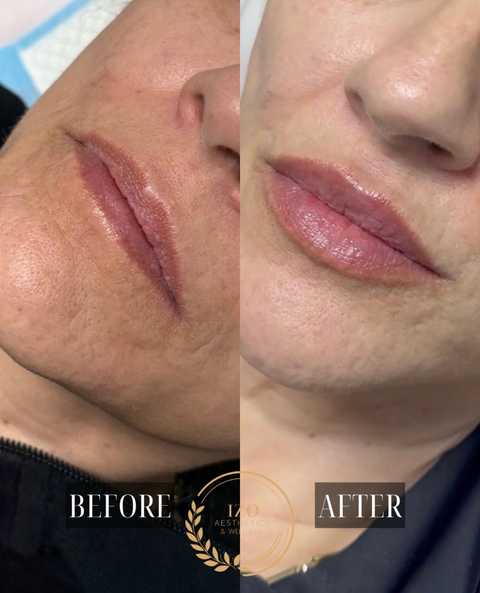
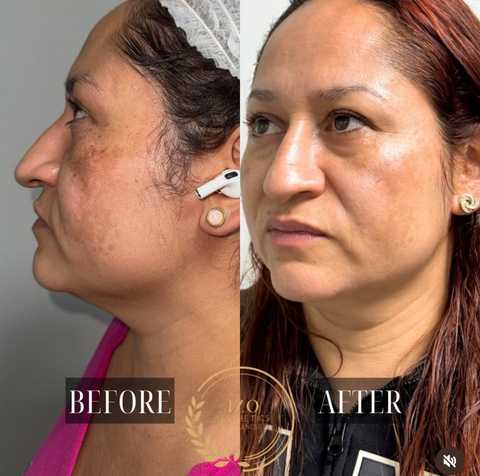
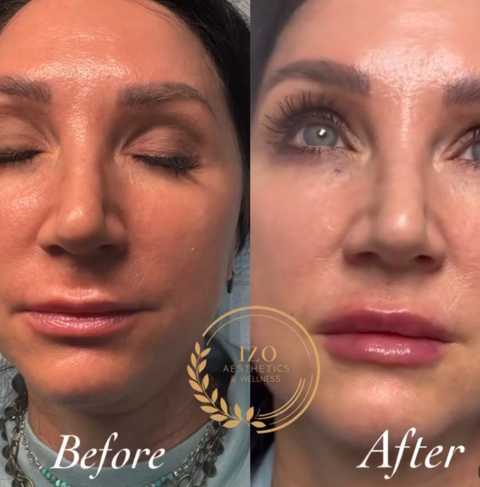
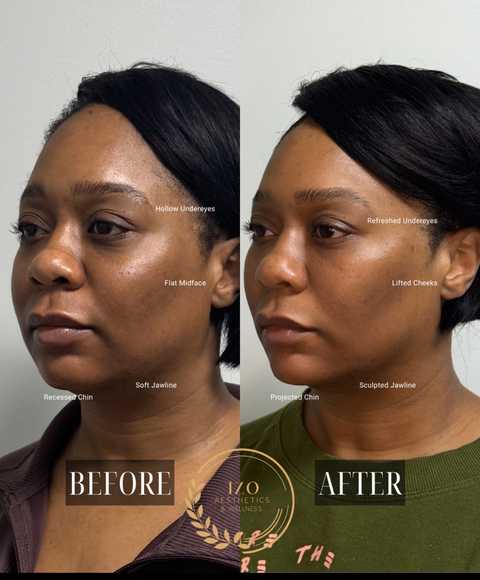
Facial balancing addresses the face as a whole by replacing lost support in multiple areas rather than treating a single line or lip. As we age, bone, fat, and collagen loss change facial proportions; carefully placed filler and biostimulators restore structure in cheeks, chin, jawline and under-eye hollows to re-create lifted, proportional contours.
The practitioner plans placement to create harmony — adding projection where the skeleton needs support, softening transitions, and preserving natural movement. Decisions about depth and volume reflect each person’s anatomy and goals, aiming for a refreshed, not overfilled, result that reads as the patient’s own face but with improved definition.
Treatment planning and choices
A personalized plan starts with a facial analysis that considers bone structure, existing filler, and skin quality. The team reviews whether fillers or biostimulators — or a combination — best address structural loss versus skin laxity. Trade-offs include gradual enhancement versus immediate volume and whether to stage treatments to monitor how one area affects another.
Practical decisions also consider lifestyle: many local clients traveling from Uptown or nearby suburbs schedule early, evening, or weekend visits. Your history of previous injections, aesthetic priorities, and event timing (weddings, graduations, holidays) shape sequencing, so planning around busy months like May, November, and December is common.
What to expect after
After treatment expect common, temporary effects such as swelling, mild bruising, and tenderness where injections occurred. Most clients report results that look natural and refreshed, with some noting minimal bruising when treated carefully. Follow-up appointments allow fine-tuning; practitioners will review whether a staged touch-up will improve balance once initial swelling subsides.
Because results depend on product choice, placement, and individual healing, outcomes appear over days to weeks and vary per person. The practice will discuss follow-up timing and any corrective work needed. There are no guaranteed outcomes; the focus is on predictable adjustments and a gradual approach to achieve durable, harmonious proportions.